Strengthening international academic cooperation, research partnerships and engineering education between Russia and Africa
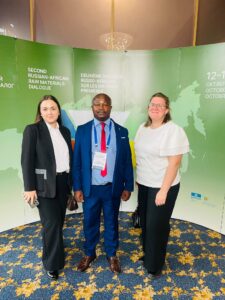
The Russian-African Raw Materials Dialogue provides an important international platform for strengthening cooperation between Russia and African nations in mineral resource development, scientific research, technological innovation and higher education.
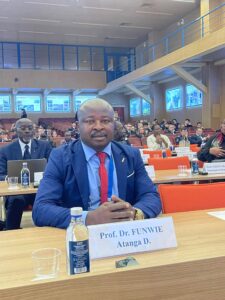
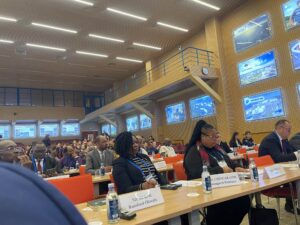
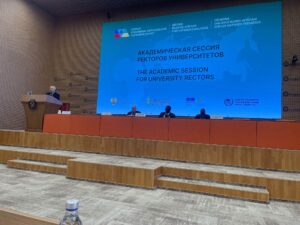
A key highlight of the dialogue is the Academic Session of University Presidents, Rectors and Vice-Chancellors, which brings academic leaders together to explore opportunities for institutional collaboration, knowledge exchange and the development of educational partnerships that respond to the evolving needs of African and Russian economies.
Advancing Higher Education Through International Partnerships
Universities are central to sustainable economic development, technological progress and the development of highly skilled professionals. Through international academic engagement, institutions can share expertise, strengthen research capacity and develop educational programmes that address emerging challenges across strategic industries.
The academic session provides a platform for university leaders to discuss ways of strengthening cooperation between higher education institutions, promoting academic mobility and expanding opportunities for joint research and professional training.
Such collaboration is particularly important in fields related to mining, geology, engineering, environmental management and the sustainable use of natural resources.
Connecting Universities with Industry and Innovation
The transformation of Africa’s mineral wealth into sustainable economic opportunities requires more than natural resources. It also depends on specialised knowledge, modern technology, research-driven solutions and a skilled workforce.
By bringing together university presidents, rectors and vice-chancellors, the Russian-African Raw Materials Dialogue highlights the role of higher education institutions in connecting academic research with industry needs.
Potential areas of collaboration include joint research projects, faculty and student exchanges, specialised technical training, scientific conferences and the development of industry-oriented academic programmes.
These initiatives can help strengthen the relationship between universities and industry while preparing graduates to contribute to industrialisation, innovation and economic growth.
Promoting Research and Skills Development
Research and human capital development remain essential pillars of a competitive and sustainable mineral resources sector.
Academic partnerships between Russian and African institutions can facilitate the exchange of scientific knowledge, improve access to specialised expertise and support the development of innovative approaches to mineral exploration, extraction, processing and environmental sustainability.
The session also underscores the importance of equipping students and professionals with the competencies required to navigate emerging technologies and the changing demands of the global labour market.
Strengthening Russia–Africa Academic Relations
Beyond the mineral resources sector, the academic session represents a broader opportunity to deepen relations between Russian and African higher education institutions.
International partnerships can support institutional development, improve the quality of education, expand research networks and create new opportunities for students and academics.
For African universities, such engagement offers a pathway to broaden international connections, strengthen academic capacity and contribute to the development of knowledge-based economies.
Looking Ahead
The Academic Session of University Presidents, Rectors and Vice-Chancellors at the Russian-African Raw Materials Dialogue reinforces the importance of higher education as a driver of cooperation, innovation and sustainable development.
By strengthening institutional relationships and encouraging collaboration in research, engineering education and professional training, participating universities can help build a foundation for long-term cooperation between Russia and Africa.
The future of sustainable resource development depends not only on the availability of natural resources, but also on the knowledge, skills and partnerships that enable nations to use them responsibly and effectively.
Source and updates: Kesmonds International University Official Facebook Page