Colonial Inequality in Focus: Reflections from the Baku Initiative Group Conference
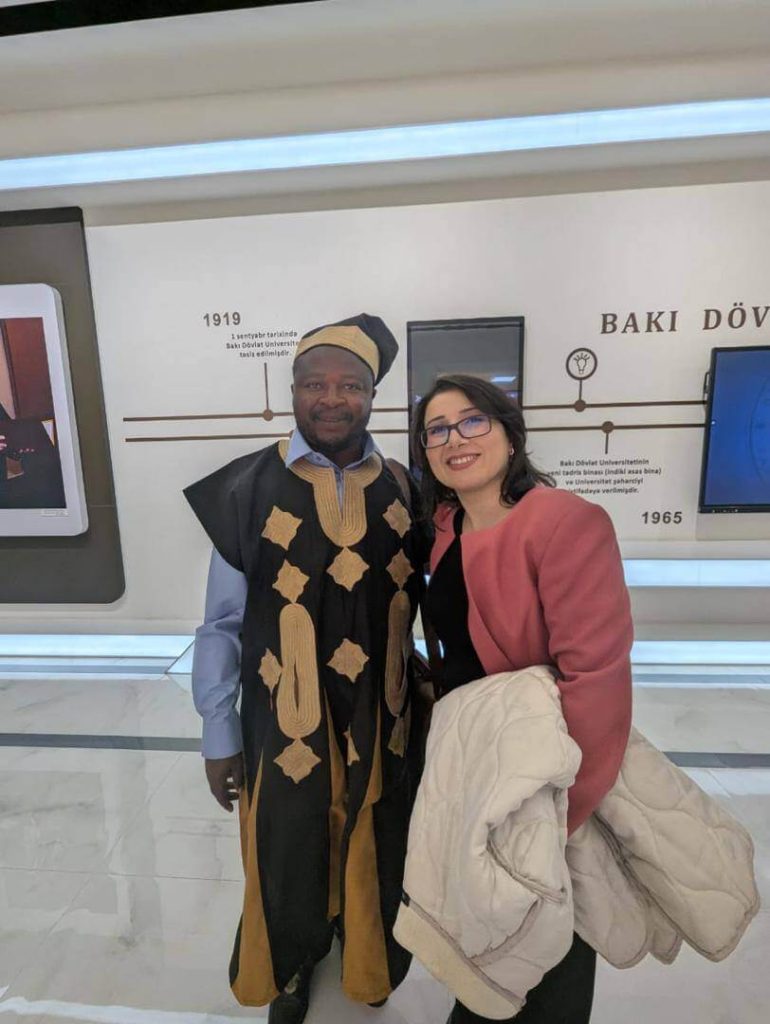
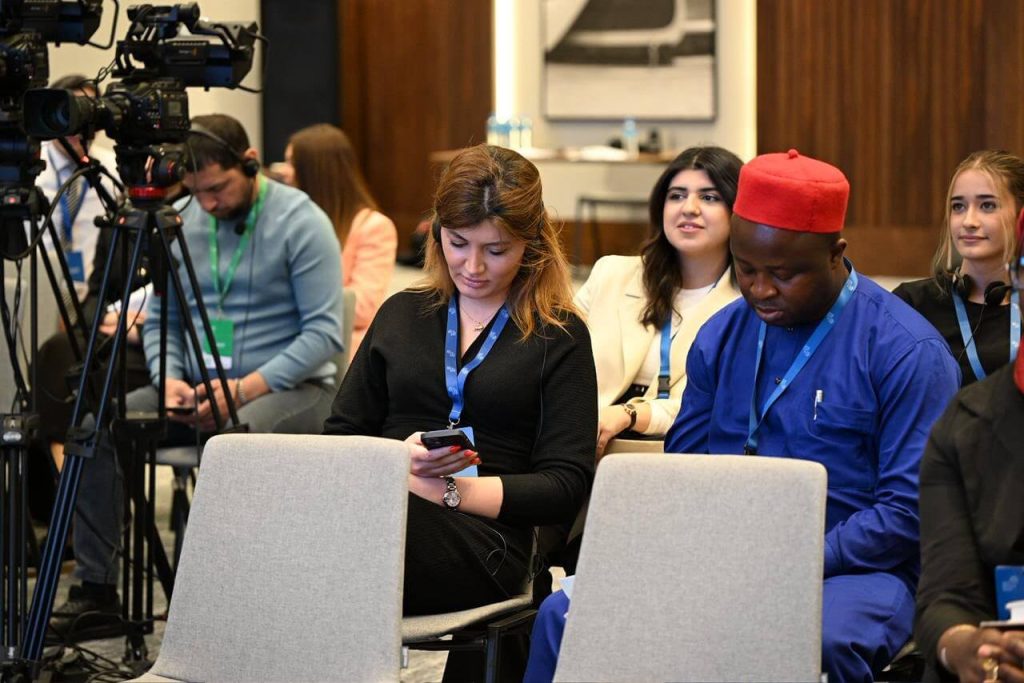
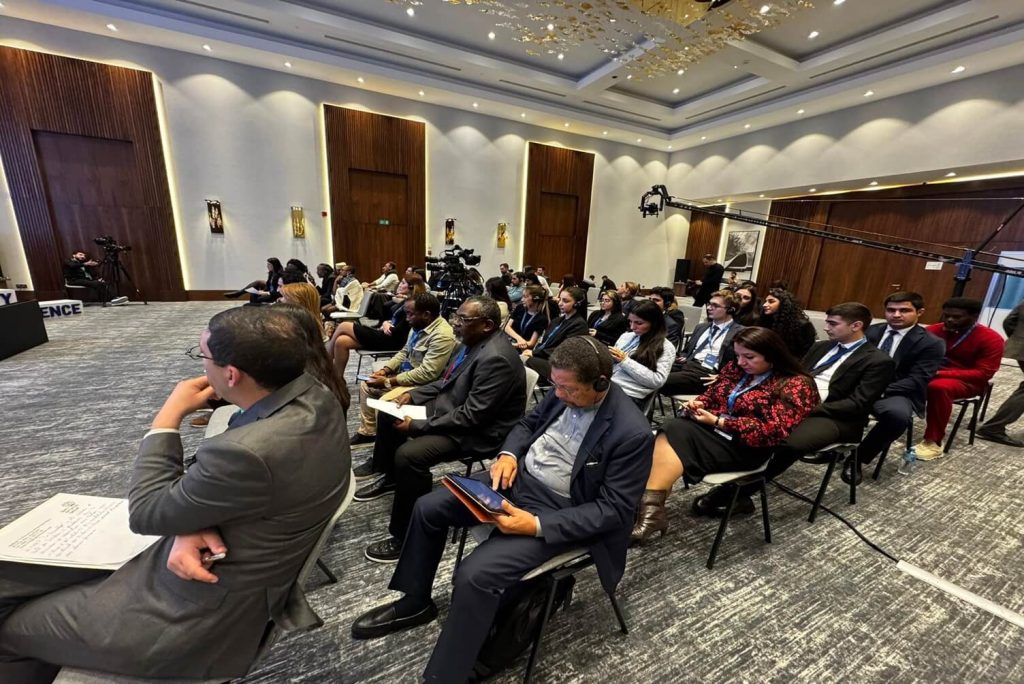
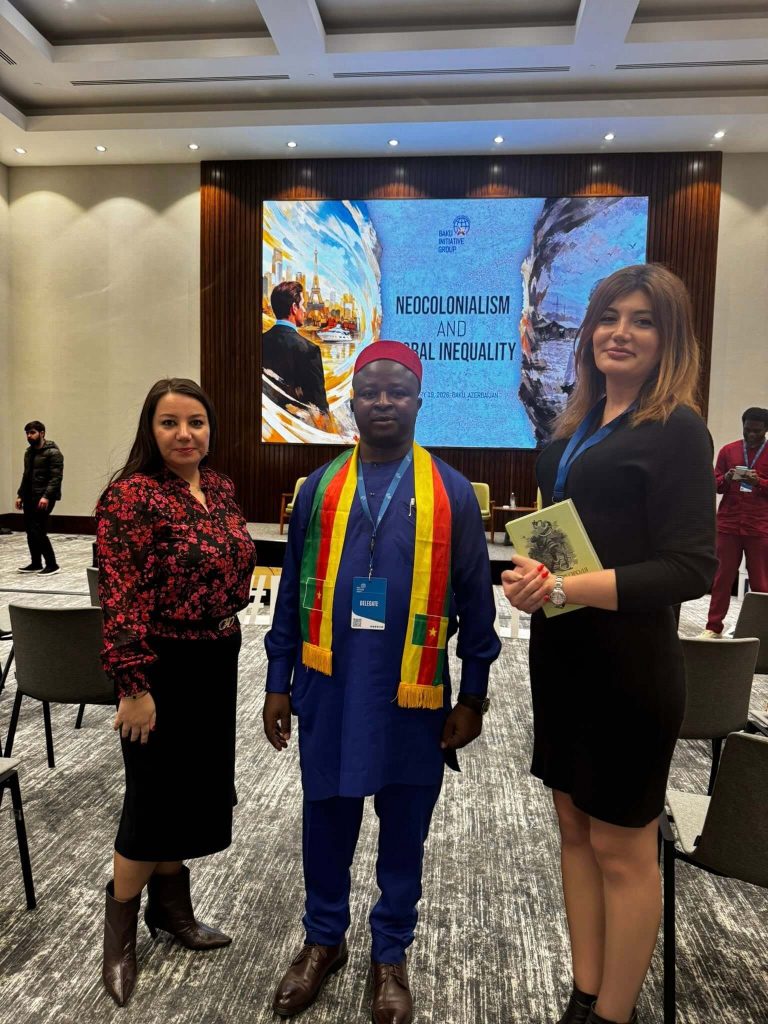
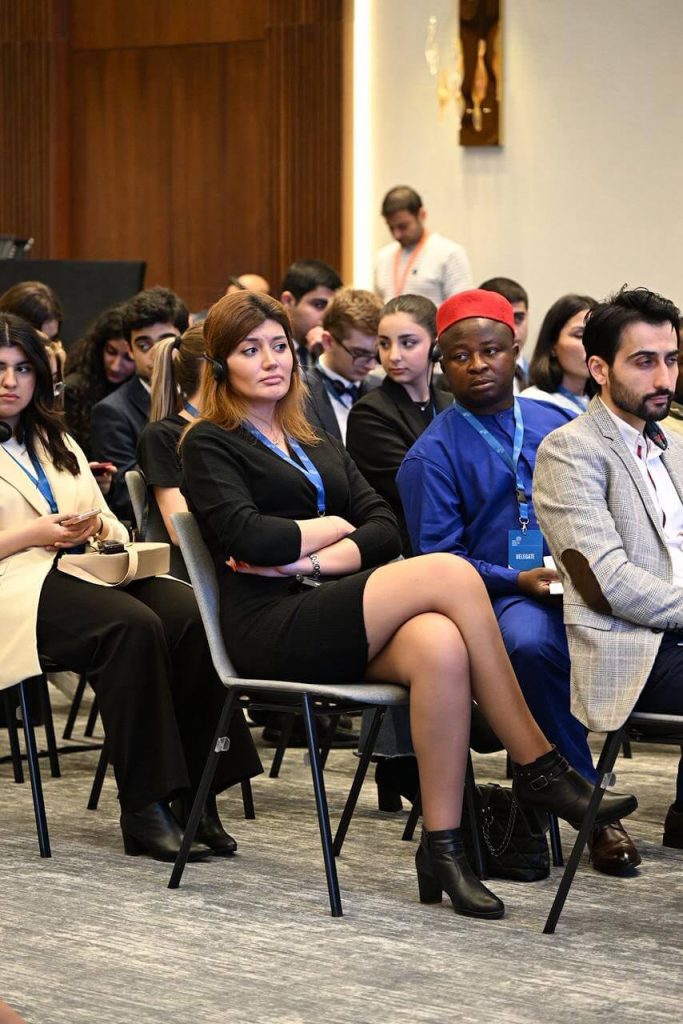
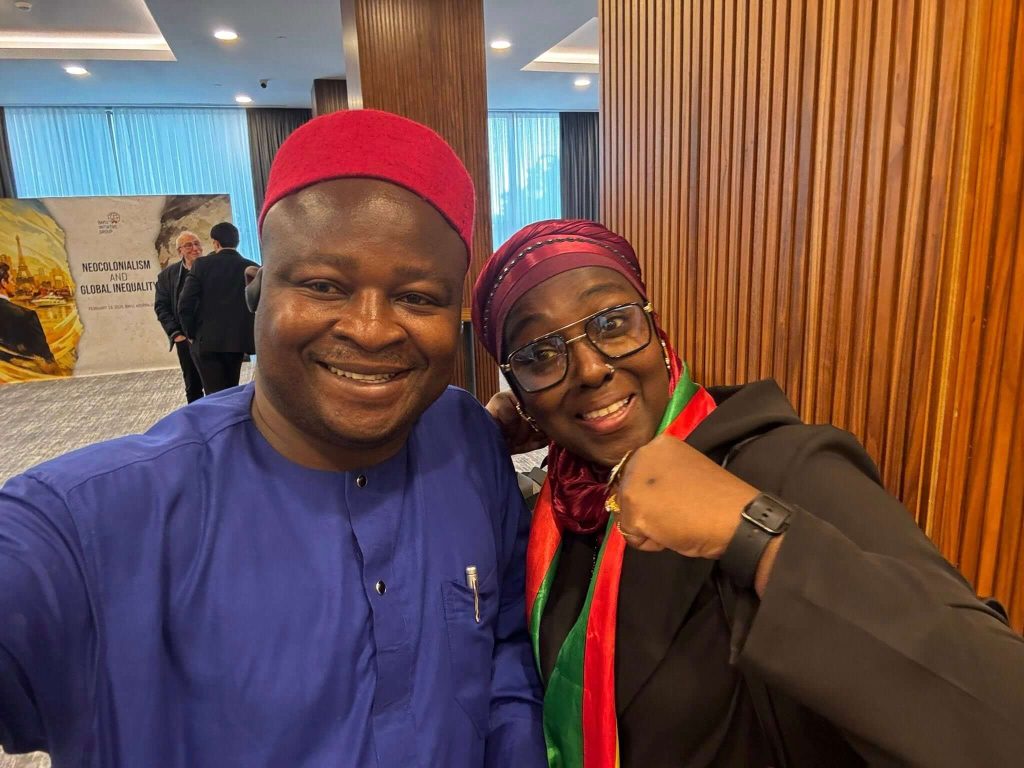
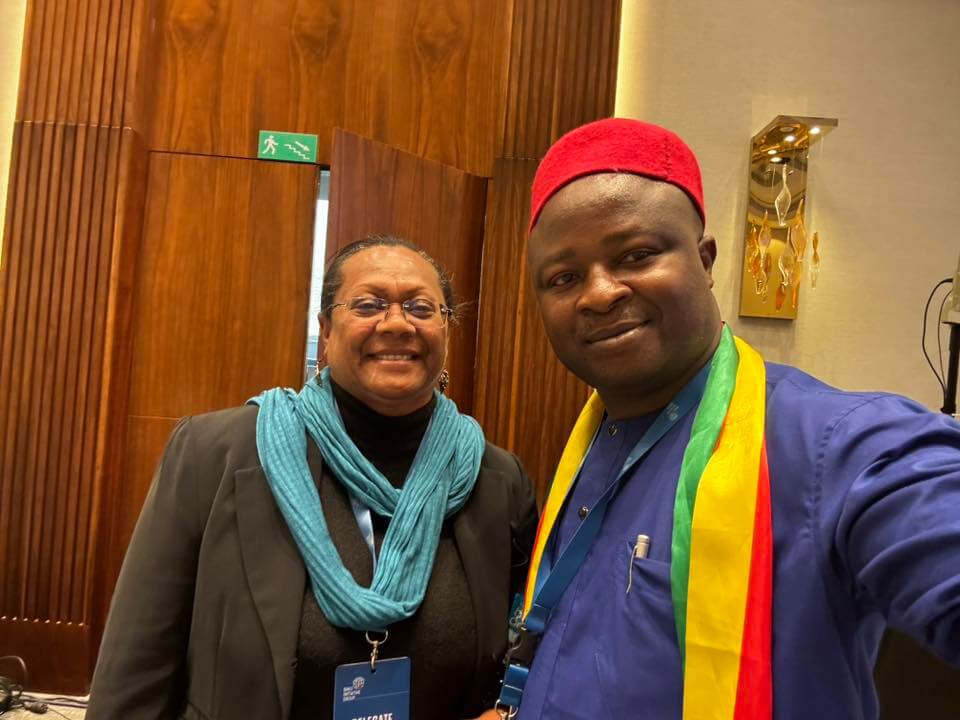
At the recent conference hosted by the Baku Initiative Group, I had the privilege of engaging in an in-depth and thought-provoking discussion on colonial inequality its origins, its mechanisms, and its enduring global consequences. Scholars, policy experts, and institutional leaders, including representatives from KESMONDS INTERNATIONAL UNIVERSITY, contributed powerful insights into how historical injustices continue to shape modern economic and social realities.
Understanding Colonial Inequality
Colonial inequality refers to the structural disparities in wealth, power, and rights imposed by European powers upon colonized regions. Colonial systems were not merely political arrangements; they were economic and social frameworks deliberately designed to extract resources while marginalizing local populations.
This model created long-lasting legacies of economic dependency, with wealth concentrated in the hands of settlers and a narrow local elite. Often sustained through forced labor, slavery, and unequal trade arrangements, colonial systems produced profound and enduring gaps in income, education, healthcare access, and political power—many of which persist in the postcolonial era.
Key Aspects of Colonial Inequality
Economic Extraction
Colonial administrations structured local economies primarily for export. Rather than fostering diversified or self-sufficient development, they focused on raw materials such as minerals, cash crops, and agricultural commodities destined for European markets.
This export-oriented model discouraged industrialization and entrenched long-term dependency. Even after independence, many former colonies remained reliant on a narrow range of exports, making them vulnerable to global price fluctuations and external shocks.
Wealth Concentration
Land ownership and income were overwhelmingly concentrated among European settlers and expatriates. Indigenous populations were frequently dispossessed of land and excluded from meaningful economic participation.
This deliberate concentration of wealth created extreme disparities between colonizers and the colonized, disparities that, in many cases, became embedded in national economic structures long after independence.
Institutionalized Discrimination
Colonial rule relied heavily on coercive institutions. Systems of forced labor, slavery, racial segregation, and restricted access to education were common tools of governance.
Education systems, where available, were often designed to produce a limited administrative class rather than to empower the broader population. Political participation was similarly restricted, reinforcing inequality and limiting social mobility.
Long-Term Structural Legacies
Former colonies often continue to face persistent poverty and economic vulnerability rooted in colonial-era structures. Tax systems, land distribution patterns, and governance frameworks frequently reflect colonial priorities rather than inclusive development.
These structural legacies contribute to ongoing income inequality, fragile institutions, and limited access to essential services.
Settler vs. Exploitation Colonies
An important distinction raised during the conference was between settler colonies and exploitation colonies.
Settler colonies, where a significant (though minority) European population established permanent residence, often exhibited particularly high levels of inequality. Land and political power were concentrated in settler communities, institutionalizing racial and economic hierarchies.
Exploitation colonies, with fewer settlers, were primarily structured for resource extraction. While inequality was still severe, the demographic and institutional dynamics differed.
Understanding these distinctions helps explain why inequality levels and development trajectories vary significantly across postcolonial states.
Impact on Post-Colonial States
Debt Cycles and Financial Burdens
Many newly independent nations began their sovereignty under immense financial strain. A stark example discussed was the indemnity imposed on Haiti after its independence—an enormous debt that constrained its development for generations.
Such financial legacies entrenched cycles of borrowing and dependency that continue to affect numerous countries today.
Weak Infrastructure and Social Services
Colonial administrations typically underinvested in healthcare, education, and infrastructure for the local population. Railways and roads were often built to transport resources to ports rather than to connect communities or stimulate domestic growth.
The consequences are still visible: inadequate healthcare systems, underdeveloped rural infrastructure, and unequal access to quality education.
Persistent Income Disparities
Colonial tax systems, land tenure policies, and labor structures created entrenched inequalities that were not easily dismantled after independence. In many regions, wealth remains concentrated among small elites, while large segments of the population face limited upward mobility.
Moving Forward: From Recognition to Reform
The conversation at the Baku Initiative Group Conference was not only historical it was forward-looking. A critical question emerged: How can postcolonial states and the international community address these deeply rooted inequalities?
Key proposals included:
Institutional reforms that dismantle exclusionary economic structures
Investments in education and healthcare to break intergenerational poverty
Fairer global trade systems
Re-examining historical debt and financial justice
Colonial inequality is not simply a matter of the past; it is embedded in present-day global economic patterns. Acknowledging its structural nature is essential for building more equitable systems of development.
The discussions reinforced a powerful truth: sustainable global progress requires confronting historical injustices with clarity, courage, and coordinated action.
As participants, scholars, and institutions like KESMONDS INTERNATIONAL UNIVERSITY continue this dialogue, the hope is not only to analyze inequality but to actively reshape the systems that perpetuate it.